
Recipes
5 Kenyan Recipes That Use Peanut Butter (Beyond Sandwiches)
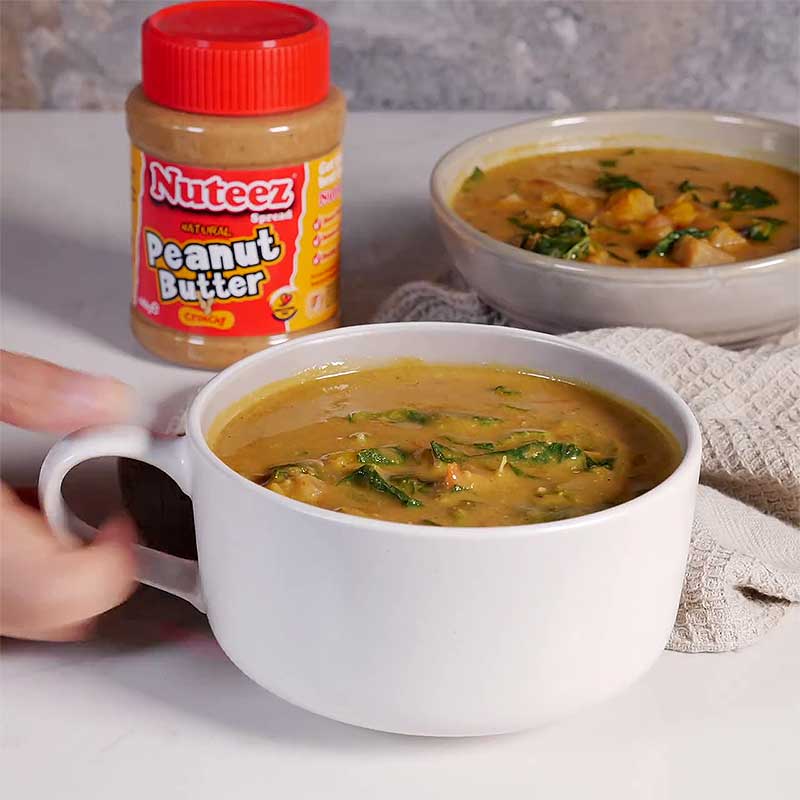
When most Kenyans think of peanut butter, they think of sandwiches. Bread, Nuteez, maybe a layer of jam, done. It is a perfectly good use of peanut butter. But it barely scratches the surface of what this ingredient can do.
Across West Africa, Central Africa, and parts of Southern Africa, groundnut paste (the traditional form of peanut butter) has been a cornerstone of cooking for centuries. Senegalese chicken mafe, Ghanaian groundnut soup, Malawian nsima with peanut relish, and Congolese moambe chicken all rely on groundnuts as a primary flavouring and thickening agent.
In Kenya, our culinary traditions have used peanuts somewhat differently, often roasted as a snack or ground into a coarse paste for simple sauces. But there is no reason Kenyan kitchens cannot embrace the full breadth of African groundnut cookery. The ingredients are available. The flavour profiles work with Kenyan tastes. And with a jar of Nuteez already in the cupboard, you are halfway there.
These five recipes range from comforting soups to vibrant salads. Each one has been tested in a Kenyan kitchen with locally available ingredients. Each one will change the way you think about peanut butter.
Why Cook with Peanut Butter
Before the recipes, let us talk about why peanut butter works so well in cooking. Three properties make it exceptionally versatile.
First, fat content. Peanut butter contains approximately 50% fat by weight, mostly monounsaturated and polyunsaturated fats (USDA FoodData Central). In cooking, this fat provides richness and body. It thickens sauces naturally without the need for cream, butter, or flour-based roux. For anyone cooking on a budget, peanut butter provides the luxurious mouthfeel of dairy-heavy cooking at a fraction of the cost.
Second, protein. At 25 grams of protein per 100 grams, peanut butter can transform a vegetable-based dish into a nutritionally complete meal. This is particularly valuable for families stretching their food budget or for anyone eating less meat.
Third, flavour. Roasted peanuts have a deep, savoury, umami-adjacent quality that enhances other flavours rather than competing with them. In combination with chilli, ginger, garlic, tomato, and coconut, peanut butter creates complex, layered flavour profiles.
The Harvard T.H. Chan School of Public Health lists peanuts and peanut butter as part of the "healthy protein" category in their Healthy Eating Plate guide, noting their association with reduced cardiovascular disease risk when consumed as part of a balanced diet.
West African Chicken Peanut Stew (Chicken Mafe)
This is arguably the most famous peanut butter dish in Africa. Originating in Senegal and Mali, chicken mafe has spread across the continent in countless variations. This version is adapted for Kenyan kitchens.
Ingredients (serves 6):
One whole chicken, cut into pieces (about 1.5kg). Three tablespoons of Nuteez smooth peanut butter. Two large tomatoes, blended. One large onion, diced. Three cloves of garlic, minced. One tablespoon of fresh ginger, grated. Two tablespoons of vegetable oil. One cup of chicken stock or water. Two medium carrots, peeled and cut into chunks. One medium sweet potato, peeled and cubed. Two tablespoons of tomato paste. One teaspoon of ground cumin. Half a teaspoon of cayenne pepper (adjust to taste). Salt to taste.
Method:
Season the chicken pieces with salt, cumin, and cayenne. Heat oil in a large, heavy-bottomed pot over medium-high heat. Brown the chicken on all sides, working in batches. Remove and set aside.
In the same pot, sauté the onion until softened, about five minutes. Add garlic and ginger, cook for one minute. Add the blended tomatoes and tomato paste. Cook for eight to ten minutes, stirring occasionally, until the tomato mixture darkens and the raw smell disappears.
Add the peanut butter and stir vigorously until it dissolves into the sauce. Add the chicken stock. Return the chicken to the pot. Add the carrots and sweet potato. Cover and simmer on low heat for 40 to 45 minutes, until the chicken is tender and the vegetables are cooked through.
The sauce should be thick and richly coloured. If it is too thick, add a splash of water. If too thin, simmer uncovered for a few minutes.
Serve over steamed rice or with ugali. Garnish with chopped fresh coriander and a sprinkle of crushed roasted peanuts.
Nutritional note: This stew provides approximately 35 grams of protein per serving from the combination of chicken and peanut butter.
Githeri with Peanut Sauce
Githeri (a mixture of boiled maize and beans) is one of Kenya's most beloved and nutritious dishes. Adding a peanut sauce elevates it from a simple staple to a rich, satisfying meal.
Ingredients (serves 4):
Three cups of cooked githeri (maize and beans, boiled until tender). Two tablespoons of Nuteez smooth peanut butter. One large tomato, diced. One medium onion, diced. Two cloves of garlic, minced. One cup of chopped sukuma wiki (collard greens). One tablespoon of vegetable oil. Half a cup of water or vegetable stock. Half a teaspoon of ground turmeric. Salt and black pepper to taste.
Method:
Heat oil in a pan. Sauté the onion until translucent. Add garlic, cook for 30 seconds. Add the diced tomato and cook until softened, about five minutes. Add turmeric and stir.
In a small bowl, mix the peanut butter with the water or stock until smooth. Pour this mixture into the pan. Stir well and let it simmer for three minutes.
Add the cooked githeri and sukuma wiki. Stir everything together and cook for five to seven minutes, until the greens are wilted and the githeri is coated in the peanut sauce. Season with salt and pepper.
This dish is a complete meal on its own. The maize provides carbohydrates, the beans and peanut butter provide protein, and the sukuma wiki provides vitamins and minerals. According to Kenya's Food Composition Tables (FAO/Government of Kenya, 2018), a serving of githeri with greens provides a broad spectrum of B vitamins, iron, and zinc.
Peanut Butter Coconut Curry with Vegetables
This curry draws inspiration from Southeast Asian and East African coconut-based dishes. The combination of peanut butter and coconut milk creates an incredibly rich, creamy sauce that works beautifully with vegetables.
Ingredients (serves 4):
Three tablespoons of Nuteez smooth peanut butter. One can (400ml) of coconut milk. One large onion, diced. Three cloves of garlic, minced. One tablespoon of fresh ginger, grated. One large carrot, sliced. One cup of green beans, trimmed and halved. One medium courgette (zucchini), sliced. One red bell pepper, sliced. Two tablespoons of soy sauce. One tablespoon of vegetable oil. Juice of one lime. One teaspoon of curry powder. Half a teaspoon of chilli flakes. Fresh coriander for garnish.
Method:
Heat oil in a large pan or wok. Sauté onion, garlic, and ginger for three minutes. Add curry powder and chilli flakes, stirring for 30 seconds until fragrant.
Add coconut milk and peanut butter. Whisk until the peanut butter is fully incorporated and the sauce is smooth. Add soy sauce and bring to a gentle simmer.
Add carrot and green beans (the harder vegetables that need more cooking time). Simmer for five minutes. Add courgette and bell pepper. Cook for another five minutes until all vegetables are tender but still have some bite.
Finish with lime juice and garnish with fresh coriander. Serve over steamed rice or with warm chapati.
This dish is entirely plant-based and provides approximately 18 grams of protein per serving from the combination of peanut butter and coconut milk. It is an excellent option for families exploring plant-based meals.
Peanut Butter Dressing for Kachumbari Salad
Kachumbari is the Kenyan tomato and onion salad that appears at nearly every barbecue and celebration. This peanut butter dressing transforms it from a simple side dish into something memorable.
Ingredients (dressing, serves 6):
Two tablespoons of Nuteez smooth peanut butter. Juice of two limes. One tablespoon of soy sauce. One teaspoon of honey. One small clove of garlic, finely grated. Two tablespoons of warm water. A pinch of chilli flakes.
For the salad:
Four large tomatoes, diced. One large red onion, thinly sliced. One large avocado, cubed. A handful of fresh coriander, chopped. One green chilli, finely sliced (optional).
Method:
Whisk all dressing ingredients together until smooth and pourable. If the dressing is too thick, add more warm water one teaspoon at a time.
Combine all salad ingredients in a large bowl. Pour the dressing over the salad and toss gently.
The peanut dressing adds body and protein to the salad, turning it into a dish substantial enough to serve as a light lunch. The lime, soy, and peanut combination is addictive. People who try this at a gathering will ask for the recipe.
Sweet Potato and Peanut Butter Soup
This soup is comfort food at its finest. It is warming, filling, and deeply flavourful, perfect for Nairobi's cooler evenings or rainy season weekends.
Ingredients (serves 6):
Four medium sweet potatoes (about 1kg), peeled and cubed. Three tablespoons of Nuteez smooth peanut butter. One large onion, diced. Three cloves of garlic, minced. One tablespoon of fresh ginger, grated. One litre of vegetable or chicken stock. One can (400ml) of coconut milk. One tablespoon of vegetable oil. One teaspoon of ground coriander. Half a teaspoon of cayenne pepper. Salt to taste. Fresh coriander and crushed peanuts for garnish.
Method:
Heat oil in a large pot. Sauté onion for five minutes until softened. Add garlic, ginger, ground coriander, and cayenne. Cook for one minute.
Add the sweet potato cubes and stock. Bring to a boil, then reduce to a simmer. Cook for 20 minutes until the sweet potatoes are completely tender.
Add the peanut butter and coconut milk. Stir well. Using an immersion blender (or transferring in batches to a regular blender), blend until smooth. Return to low heat and adjust seasoning.
Serve in bowls with a swirl of coconut milk, a sprinkle of chopped peanuts, and fresh coriander leaves.
This soup is rich in beta-carotene from the sweet potatoes, healthy fats from the peanut butter and coconut, and is naturally gluten-free. One serving provides approximately 12 grams of protein.
Bringing African Flavours Home
These five recipes represent just a fraction of what peanut butter can do in the kitchen. Across the African continent, groundnuts are used in marinades, dipping sauces, baked goods, beverages, and even desserts.
According to the FAO, Africa produces approximately 18 million tonnes of groundnuts annually, representing about 40% of global production. Peanuts are woven into the agricultural and culinary identity of the continent.
In Kenya, we have a wonderful opportunity to embrace this broader African groundnut tradition while building on our own culinary heritage. A jar of Nuteez is not just a spread. It is a gateway to an entire world of cooking.
Open the jar. Try one recipe this week. Start with whichever one appeals most. Once you taste what peanut butter can do beyond a sandwich, there is no going back.