
Health & Nutrition
Hydration for Kenyan Kids: How Much Water Do Children Really Need?
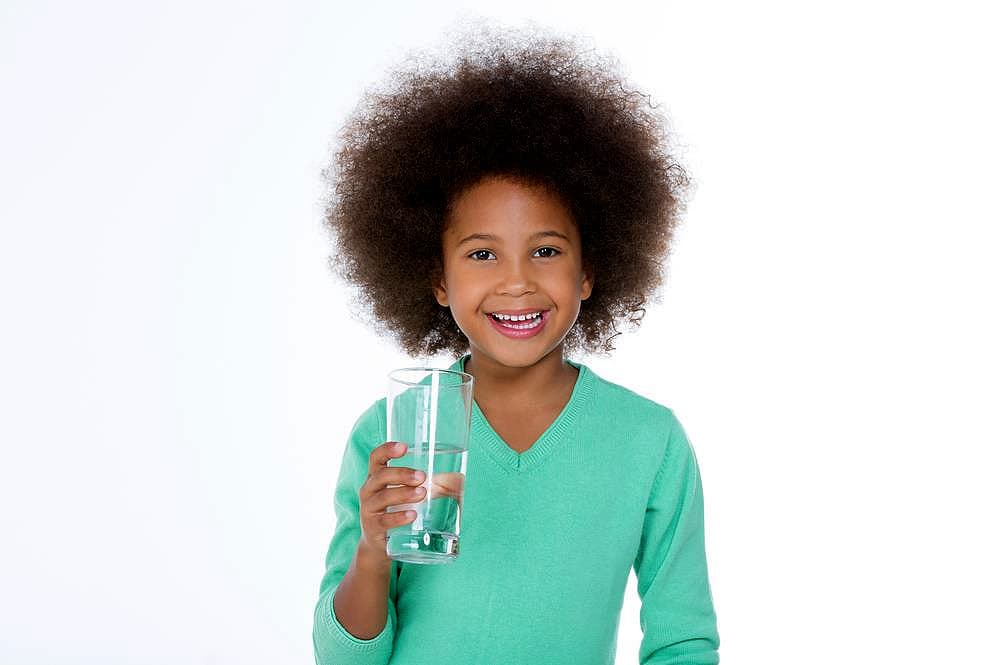
Children do not always tell you when they are thirsty. By the time a child asks for water, mild dehydration may already be affecting their concentration, mood, and energy levels. For parents in Kenya, where daytime temperatures frequently exceed 25 degrees Celsius and children are physically active in school and at play, understanding hydration needs is a practical health priority.
The World Health Organisation (WHO) identifies dehydration as one of the leading causes of childhood morbidity in sub-Saharan Africa, particularly among children under five. While severe dehydration is most often associated with diarrhoeal disease, chronic mild dehydration from simply not drinking enough water throughout the day is a widespread and underrecognised issue.
At Jetlak Foods, we manufacture Waba mineral water alongside our juice and food brands. Water is the foundation of good nutrition, and we believe every Kenyan child deserves access to clean, safe drinking water. This article is our guide for parents who want to make sure their children are getting enough.
How Much Water Do Children Need
The UK National Health Service (NHS) provides clear, age-specific daily fluid intake guidelines for children. These are total fluid intake from all sources, including water, milk, juice, and food.
Children aged 1 to 3 years need approximately 1.3 litres of total fluid per day. Children aged 4 to 8 years need approximately 1.7 litres. Children aged 9 to 13 years need approximately 2.1 litres for boys and 1.9 litres for girls. Adolescents aged 14 and older need approximately 2.5 litres for boys and 2.0 litres for girls.
These are baseline recommendations for temperate climates. In Kenya's warmer regions, or during physical activity, children may need 20 to 50% more fluid to stay properly hydrated.
Signs of Dehydration in Children
Mild dehydration is often missed because its symptoms overlap with general tiredness or moodiness. The most common signs include dark yellow urine (healthy urine should be pale straw-coloured), dry lips and mouth, decreased frequency of urination, irritability or unusual fatigue, and headaches.
More severe dehydration presents as sunken eyes, lethargy, absence of tears when crying, and in very young children, a sunken fontanelle (the soft spot on a baby's head). Severe dehydration is a medical emergency and requires immediate treatment.
The Kenya Paediatric Association recommends that parents monitor their child's urine colour as the simplest indicator of hydration status. Teaching children to check their own urine colour is a simple habit that builds lifelong health awareness.
Why Water Should Be the Default Drink
Water is the ideal hydration source for children. It contains no sugar, no calories, and no additives. It hydrates effectively and is available cheaply throughout Kenya.
Sugary drinks, including fruit drinks, sodas, and sweetened teas, can contribute to hydration but come with significant nutritional downsides. The WHO's 2015 guideline on sugars intake recommends that children consume less than 25 grams of free sugars per day. A single 250ml serving of many commercial fruit drinks contains 20 to 28 grams of sugar, effectively reaching the daily limit in one glass.
This does not mean children should never have juice or other beverages. A glass of 100% fruit juice (like FruitVille, which contains no added sugar) is nutritionally valuable and can count toward daily fluid intake. The key is proportion. Water should be the default, everyday drink. Juice and other beverages should complement it, not replace it.
Practical Tips for Keeping Kids Hydrated
The first strategy is to make water available and visible. Keep a water bottle or jug where your child can see it throughout the day. Research on children's eating and drinking behaviour (published in Appetite journal, 2017) shows that children consume more water when it is visible and easily accessible, even without being reminded to drink.
The second strategy is to establish drinking routines. Encourage your child to drink water at predictable times: first thing in the morning, at each meal, during school breaks, before and after physical activity, and before bed. Routines eliminate the reliance on thirst, which is an unreliable indicator in children.
The third strategy is to make water appealing. For children who resist plain water, try adding slices of lemon, orange, or cucumber. You can also offer lightly flavoured water by diluting a small amount of FruitVille juice (one part juice to three parts water). This provides a hint of flavour without significant sugar.
The fourth strategy is to send water to school. Pack a reusable water bottle in your child's school bag every day. Many Kenyan schools do not have reliable access to clean drinking water during break times. A filled water bottle ensures your child can drink whenever they need to.
The fifth strategy is to monitor during hot weather and activity. On particularly hot days, or when your child is playing sport or exercising, increase their water intake proactively. Do not wait for them to ask. Offer water every 15 to 20 minutes during vigorous physical activity.
Hydration and Academic Performance
Most parents do not realise this: mild dehydration directly affects cognitive function in children. A study conducted by the University of East London (Edmonds and Burford, 2009) found that children who drank water during the school day scored significantly higher on visual attention tasks compared to children who did not drink water. The improvement was observed even with a single glass of water.
A separate study published in the British Journal of Nutrition (Fadda et al., 2012) found that children who were mildly dehydrated (as measured by urine osmolality) performed worse on short-term memory and perceptual speed tests compared to well-hydrated peers.
For Kenyan parents, this has a straightforward implication. If you want your child to concentrate well in school, make sure they are drinking enough water. It is one of the simplest and most cost-effective interventions available.
The Role of Food in Hydration
Water does not only come from drinking. Many foods have high water content and contribute meaningfully to daily fluid intake. Fruits such as watermelon (92% water), oranges (87% water), and mangoes (84% water) are excellent hydrating foods. Vegetables like cucumber (96% water), lettuce (95% water), and tomatoes (94% water) also contribute.
Traditional Kenyan foods like soups, stews, and porridge (uji) have high water content as well. A bowl of thin uji in the morning can contribute 150 to 200ml of fluid to your child's daily intake.
Including hydrating fruits and vegetables in your child's lunchbox, alongside a water bottle and perhaps a small carton of FruitVille juice, creates a comprehensive hydration strategy that covers multiple sources.
Special Considerations for Young Children
Infants under six months should be exclusively breastfed, according to WHO guidelines. Breast milk provides all the hydration an infant needs. Offering water to exclusively breastfed infants is not recommended, as it can interfere with feeding and, in areas without reliable water treatment, increase the risk of waterborne illness.
From six months onward, small amounts of water can be introduced alongside complementary foods. Use clean, safe water. If you are unsure about your water source, boiling water and allowing it to cool is the most reliable purification method available to most Kenyan households.
For children between one and three years, offer water frequently in small amounts throughout the day. Toddlers have small stomachs and may not drink large volumes at once. Five or six small drinks spread across the day is more effective than two or three large ones.
Making Hydration a Family Habit
Children learn by watching their parents. If you drink water regularly, your children are more likely to do the same. Make family meals an occasion where water is on the table alongside other drinks. Talk to your children about why water matters for their bodies, their energy, and their performance at school.
At Jetlak Foods, we make Waba mineral water because we believe that clean, safe water is a fundamental need. We also make FruitVille 100% juice and Frosti fruit drinks because we understand that variety matters, especially for children. The goal is not to restrict your child to only water. The goal is to make water the primary drink and everything else a complement.
A well-hydrated child is a healthier, happier, more focused child. That is something every Kenyan parent can support, starting with a simple glass of water.