
Industry
The History of Fruit Juice in Kenya: From Import to Homegrown
In the 1980s, drinking fruit juice in Kenya was something of a luxury. The options on supermarket shelves were overwhelmingly imported: South African brands, European concentrates, and Middle Eastern products that arrived with premium price tags and long ingredient lists. Fresh juice was available from street vendors and small restaurants, but packaged, shelf-stable juice suitable for home storage was expensive and almost entirely foreign-made.
Today, the picture is very different. Kenyan-manufactured juice brands dominate the market. Local companies employ thousands, source fruit domestically, and export across East Africa. The transformation of Kenya's juice industry is a story of entrepreneurship, manufacturing investment, and growing consumer sophistication.
The Import Era: 1970s to Early 1990s
During the 1970s and 1980s, Kenya's beverage market was dominated by two categories: hot beverages (tea and coffee, both of which Kenya produces abundantly) and carbonated soft drinks. Juice, in the packaged sense, was a niche product primarily consumed by wealthier urban households.
The juice products available were mostly imported from South Africa (brands like Ceres and Liqui-Fruit), the UAE, and Europe. Import duties, shipping costs, and limited cold-chain infrastructure made these products expensive. A litre of imported juice could cost more than a day's wages for an average Kenyan worker.
The Kenya National Bureau of Statistics records show that food and beverage imports grew steadily through the 1980s, with fruit juices and concentrates representing a small but growing category.
Local Production Begins: The 1990s
The 1990s marked a turning point. Kenya's economic liberalisation policies, combined with growing domestic demand and improving manufacturing capabilities, created conditions for local juice production to take root.
Jetlak Foods was established in 1994, initially focusing on peanut butter before expanding into beverages. Other Kenyan companies entered the juice market during this period as well. The availability of Tetra Pak aseptic packaging technology was a significant enabler. Aseptic packaging allowed manufacturers to produce shelf-stable juice products without the need for preservatives or cold-chain distribution, making it possible to reach consumers across Kenya, including in areas without reliable refrigeration.
The early Kenyan juice products were primarily fruit drinks (containing 10 to 30% juice) rather than 100% juice. The lower juice content kept costs down and made the products accessible to a broader market. While nutritionally inferior to 100% juice, these fruit drinks served an important role in building consumer familiarity with packaged juice products.
The Growth Years: 2000 to 2015
The early 2000s saw explosive growth in Kenya's juice market. Urbanisation accelerated. Supermarket chains expanded. The middle class grew. And Kenyan consumers began to demand more variety and higher quality in their beverages.
During this period, several things happened simultaneously. Local manufacturers invested in modern processing lines, improving product quality and production capacity. Kenyan fruit farming expanded, with mango, passion fruit, pineapple, and orange orchards developing in regions like Coast, Eastern, and Rift Valley provinces. The Kenya Bureau of Standards (KEBS) strengthened labelling and quality standards, giving consumers better tools to evaluate products.
By 2010, Kenya's fruit juice and fruit drink market was valued at approximately KES 15 billion annually, according to industry estimates cited by Euromonitor International. Local brands held the majority of market share, with imports relegated primarily to premium and niche segments.
The 100% Juice Movement: 2015 to Present
The most significant shift in recent years has been the growing consumer demand for 100% fruit juice with no added sugar. This mirrors global trends, driven by rising health consciousness and better nutritional education.
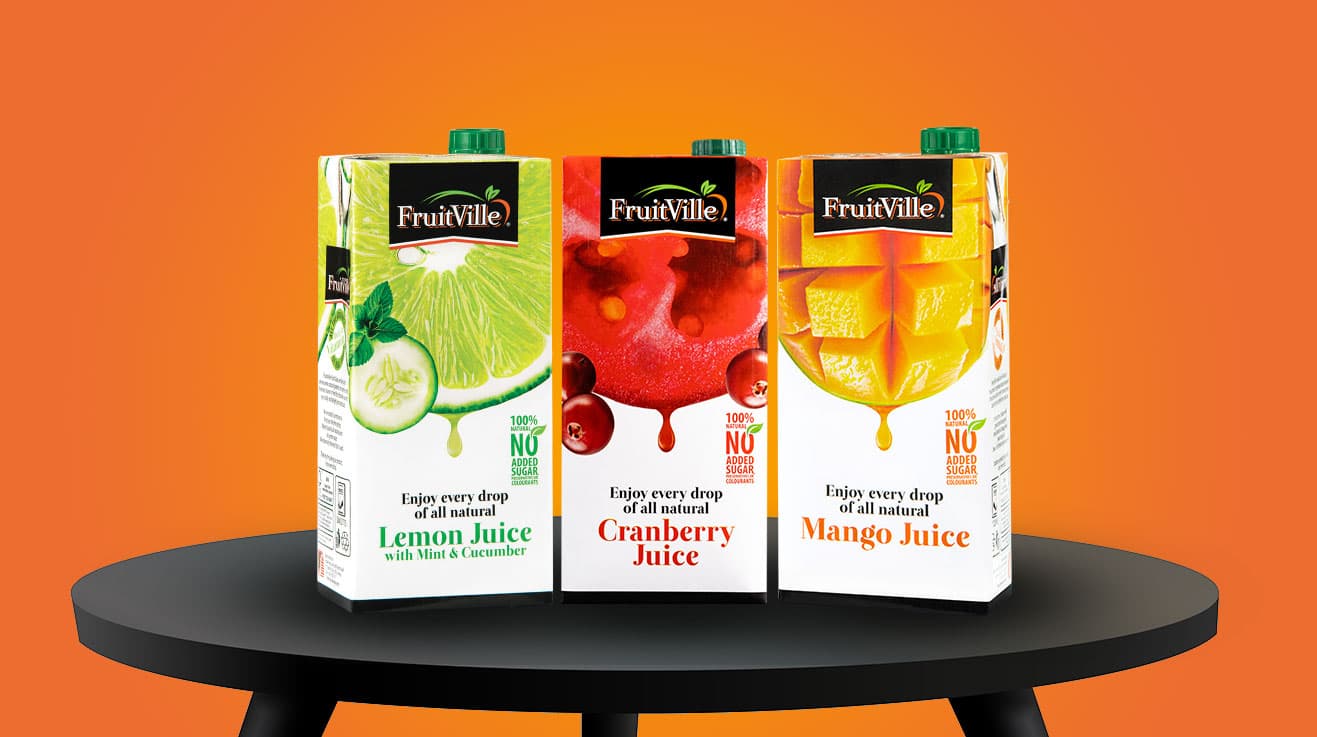
Jetlak Foods launched FruitVille as a 100% juice brand, positioned specifically for health-conscious Kenyan families. Every FruitVille product contains only fruit juice, with no added water, sugar, preservatives, or artificial flavours. This was a deliberate choice to offer Kenyan consumers a product that matches or exceeds the quality of any imported juice on the shelf.
The WHO's 2015 guideline on sugars intake accelerated this shift globally. As awareness of sugar-related health issues grew, consumers began reading labels more carefully and seeking out lower-sugar or no-added-sugar options. In Kenya, this trend was amplified by local public health campaigns and growing media coverage of diet-related diseases.
According to the Kenya National Bureau of Statistics Economic Survey 2023, the domestic manufacture of fruit juices and soft drinks has grown by an average of 8% annually over the past five years, significantly outpacing overall GDP growth.
Challenges That Remain
Despite the industry's growth, challenges persist. Seasonal fruit availability creates supply chain complexity. Post-harvest losses in Kenya's fruit sector remain high, estimated at 30 to 40% for perishable fruits according to the FAO's Post-Harvest Loss Assessment for Kenya (2022). This means a significant proportion of harvested fruit never reaches a processing facility or consumer.
Cold-chain infrastructure, while improving, is still limited outside major urban centres. This makes distribution of non-aseptic (refrigerated) juice products difficult in many parts of the country.
Counterfeiting and non-compliant products also remain a concern. KEBS regularly identifies products on the market that do not meet labelling or quality standards. Consumer education, including understanding how to read juice labels (which we cover in a separate article), is an ongoing need.
Looking Forward
The future of Kenya's juice industry is bright. Several trends point toward continued growth and improvement.
First, local fruit processing capacity is expanding. More Kenyan-grown fruit is being processed domestically rather than exported raw or wasted. This creates jobs, adds value, and keeps more revenue within the Kenyan economy.
Second, product innovation is accelerating. Plant-based drinks, functional beverages, and premium juice blends are all emerging categories. At Jetlak Foods, our launch of NuZiwa oat drink reflects this trend toward diversification.
Third, export opportunities are growing. The African Continental Free Trade Area (AfCFTA) agreement, which entered its implementation phase in 2021, creates opportunities for Kenyan juice manufacturers to sell across the continent with reduced tariff barriers.
Fourth, sustainability is becoming a competitive factor. Consumers increasingly want to know where their food comes from and how it was produced. Manufacturers who can demonstrate responsible sourcing, environmental stewardship, and transparent practices will have a significant advantage.
A Homegrown Industry to Be Proud Of
Kenya's fruit juice industry has come from a standing start in the 1990s to a multi-billion shilling sector that employs thousands and serves millions. It is a story of Kenyan entrepreneurship, agricultural development, and growing consumer sophistication.
At Jetlak Foods, we are proud to have been part of this story since 1994. From our first production line in Ruiru to today's range of seven brands, we have grown alongside the industry. We have watched consumers become more informed. We have invested in better sourcing, better technology, and better products.
The next chapter of this story will be written by the consumers who demand quality, the farmers who grow the fruit, and the manufacturers who commit to excellence. We intend to be at the forefront of that chapter.