
Quality & Safety
What Is Aflatoxin and Why Should You Care About Peanut Butter Quality?
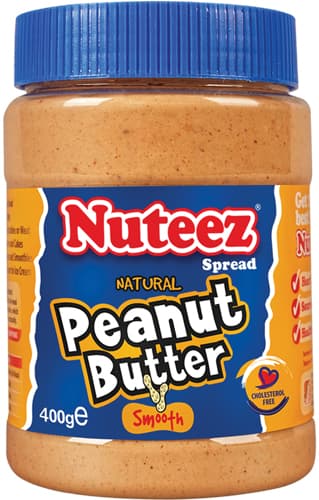
Aflatoxin is one of those food safety topics that generates a lot of headlines and very little understanding. It is a legitimate concern in groundnut products worldwide, not just in Kenya. It is also a concern that responsible manufacturers can and do manage effectively through proper sourcing, testing, and processing.
At Jetlak Foods, we believe transparency builds trust. Rather than avoiding this topic, we want to address it directly. We will explain what aflatoxin is, why it occurs, what the regulatory framework looks like in Kenya, what happened in the industry in 2019, and exactly what we do to protect the quality and safety of every jar of Nuteez.
What Aflatoxin Is
Aflatoxins are toxic compounds produced by certain moulds, primarily Aspergillus flavus and Aspergillus parasiticus. These moulds grow on a variety of crops, including maize, groundnuts (peanuts), tree nuts, cottonseed, and some spices. They thrive in warm, humid conditions, which makes tropical and subtropical regions, including much of sub-Saharan Africa, particularly susceptible.
According to the World Health Organisation (WHO), aflatoxins are classified as Group 1 carcinogens, meaning there is sufficient evidence that they can cause cancer in humans, particularly liver cancer with chronic exposure. The International Agency for Research on Cancer (IARC) confirms this classification.
The key word here is "chronic." Aflatoxin is not like a food allergen that causes an immediate reaction. The health risk comes from long-term, repeated exposure to levels that exceed safe limits. This is precisely why consistent testing and quality control in food manufacturing are so important.
Why Peanuts Are Vulnerable
Peanuts grow underground, in direct contact with soil where Aspergillus moulds naturally occur. After harvest, if peanuts are not dried quickly and thoroughly to a moisture content below 9%, the moulds can proliferate. Warm, humid storage conditions further accelerate mould growth and aflatoxin production.
The FAO estimates that approximately 25% of the world's food crops are affected by mycotoxins (the broader category that includes aflatoxins) at some level (FAO, "Mycotoxin Regulations in 2003 and Current Developments," updated 2023). The challenge is not eliminating aflatoxin from nature. That is impossible. The challenge is keeping it below safe limits through proper agricultural practices, storage, and testing.
Kenyan Regulatory Standards
Kenya's regulatory framework for aflatoxin in food is managed by the Kenya Bureau of Standards (KEBS) and enforced through the KS EAS 60:2019 standard for groundnuts and the KS 694:2019 standard for peanut butter.
The maximum allowable level of total aflatoxins in peanut butter sold in Kenya is 10 micrograms per kilogram (10 ppb), which aligns with the East African Community harmonised standards. For comparison, the European Union's maximum limit is 4 ppb for total aflatoxins in groundnuts intended for direct consumption. The US FDA action level is 20 ppb.
Kenya's 10 ppb standard reflects a balance between stringent safety and practical achievability in a tropical agricultural context. Reputable manufacturers test every batch to ensure compliance, and KEBS conducts regular market surveillance.
The 2019 Industry Incident
In 2019, KEBS conducted a nationwide surveillance exercise on peanut butter products and found that several brands exceeded the allowable aflatoxin limit. This resulted in a public recall and temporary suspension of some products. The incident received significant media coverage and understandably shook consumer confidence in Kenyan peanut butter.
It is important to understand what actually happened. The 2019 findings were primarily linked to manufacturers who sourced peanuts through informal supply chains with limited quality control. The peanuts had been poorly dried, improperly stored, or sourced from regions with high aflatoxin prevalence without adequate testing at intake.
The incident was a wake-up call for the entire industry. It led to stricter KEBS enforcement, more frequent market testing, and a significant push toward better sourcing practices by responsible manufacturers.
Jetlak's Response and Current Protocols
At Jetlak Foods, the 2019 incident reinforced what we had already been building: a direct-sourcing supply chain with quality control built in at every stage. We had begun our transition to direct-from-farm purchasing in 2018, specifically because we understood that aflatoxin control starts at the farm, not at the factory.
Our current protocol for aflatoxin management works in five layers.
The first layer of protection is farmer training. Our agronomists work with farming cooperatives to train growers on proper drying and storage techniques. Peanuts must be dried to below 9% moisture content within 48 hours of harvest. We teach the Purdue Improved Crop Storage (PICS) bag method, which seals dried peanuts in airtight bags to prevent moisture re-absorption.
The second layer is intake testing. Every batch of peanuts delivered to our Ruiru facility is tested for aflatoxin levels before it is accepted into production. We use lateral flow immunoassay rapid testing for initial screening, which provides results in approximately 15 minutes. Any batch that shows levels above 5 ppb (half the regulatory limit of 10 ppb) is rejected. We set our internal threshold well below the legal maximum to provide an additional safety margin.
The third layer is in-process testing. During production, samples are taken at multiple stages and tested in our in-house laboratory. Our laboratory is equipped for both rapid screening and more precise High-Performance Liquid Chromatography (HPLC) testing when needed.
The fourth layer is finished-product testing. Before any batch of Nuteez leaves our facility, a final aflatoxin test is conducted. Only batches that test below our internal limit are released for distribution.
The fifth layer is external verification. In addition to our internal testing, we submit samples regularly to KEBS-accredited external laboratories for independent verification. This third-party testing provides an additional layer of assurance for consumers and retailers.
The Science Behind Aflatoxin Prevention
Research conducted by the International Crops Research Institute for the Semi-Arid Tropics (ICRISAT) in collaboration with Kenyan agricultural institutions has demonstrated that proper post-harvest handling can reduce aflatoxin contamination by up to 80% compared to traditional practices (ICRISAT, "Aflatoxin Control in Groundnuts," 2021).
The most effective interventions are simple but require discipline. Rapid drying after harvest (within 48 hours), sorting to remove damaged or discoloured kernels, storage in dry and well-ventilated conditions, and hermetic storage bags for long-term holding. None of these are expensive technologies. They are farming best practices that, when consistently applied, dramatically reduce aflatoxin risk.
At the manufacturing level, roasting peanuts at temperatures above 150 degrees Celsius can reduce aflatoxin levels by 50 to 70%, according to research published in the Journal of Food Protection (Yazdanpanah et al., 2005). This provides an additional safety factor during processing, though it is not a substitute for sourcing clean raw materials.
What This Means for You
If you are a Kenyan consumer who buys peanut butter, here is what you should know and do.
First, buy from established, reputable manufacturers who have the testing infrastructure to verify their products. Look for the KEBS Diamond Mark of Quality on the packaging.
Second, check that the product has a clear manufacturing date and expiry date. Proper labelling indicates a manufacturer that takes compliance seriously.
Third, store your peanut butter properly at home. Once opened, keep it in a cool, dry place with the lid tightly closed. While aflatoxin contamination occurs primarily during raw material production, proper storage maintains overall product quality.
Fourth, do not panic. The presence of aflatoxin in the food supply is a global reality, not a uniquely Kenyan problem. The European Union, the United States, and every other jurisdiction with peanut products manages this same issue. What matters is the effectiveness of the testing and quality control systems in place.
Our Commitment
Jetlak Foods has been making Nuteez peanut butter in Kenya for over two decades. We have invested in our supply chain, our laboratory, our farmer training programmes, and our quality management systems specifically because we understand the stakes.
When you open a jar of Nuteez, you are opening a product that has been tested at intake, during production, and before release. You are opening a product made from peanuts sourced directly from trained farmers through a traceable supply chain. You are opening a product that we would serve to our own families without hesitation.
Aflatoxin is a serious topic. It deserves serious attention. But it is also a manageable risk when manufacturers invest in proper controls and maintain transparent relationships with their consumers. That is what we do, and what we will continue to do.